





- How to tell if you have curly hair
- Curl types: wavy, curly, and afro
- Proper care for curly hair
- Common mistakes in caring for curly hair
- Common mistakes in caring for curly hair
- Caring for and styling curly hair without frizz
- Healthy curly hair and natural curls with the right care
Curly hair has a unique structure that requires a special approach. Unlike straight hair, curly hair has a more porous surface, loses moisture more quickly and is more sensitive to external factors. This is precisely why standard hair care often doesn’t work: the hair becomes frizzy, loses its shape and looks dry.
Beard care is an essential routine for every man. Learn more in our previous article about what basic care should entail and what products you’ll need.Proper care for curly hair helps to preserve its natural curls, reduce frizz and make it look well-groomed. It is important not only to choose the right products, but also to understand your hair type and its needs.
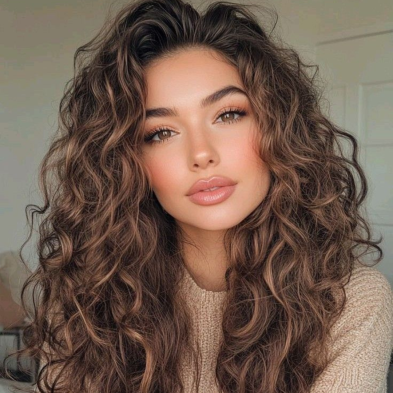
How to tell if you have curly hair
.png "long curly hair")
Photo taken from Pinterest
Curly hair isn’t always obvious. Many people think they simply have ‘unruly’ or frizzy hair, when in fact it is hidden waves or curls.
Look out for the following signs:
Look out for the following signs:
- after washing, the hair takes on a wavy texture or forms loose curls
- the hair becomes frizzy when brushed and loses its smoothness
- the texture becomes more pronounced in humid conditions
- the hair does not hold a straight style well
- trands curl unevenly
Sometimes hair becomes curly over time - due to hormonal changes, colouring, or a change in your hair care routine. In such cases, it is important to review your curly hair care routine and choose gentler products.
If you notice even some of these signs, you probably already need a proper curly hair care routine.
If you notice even some of these signs, you probably already need a proper curly hair care routine.
Hair types: wavy hair, curly hair and very curly hair
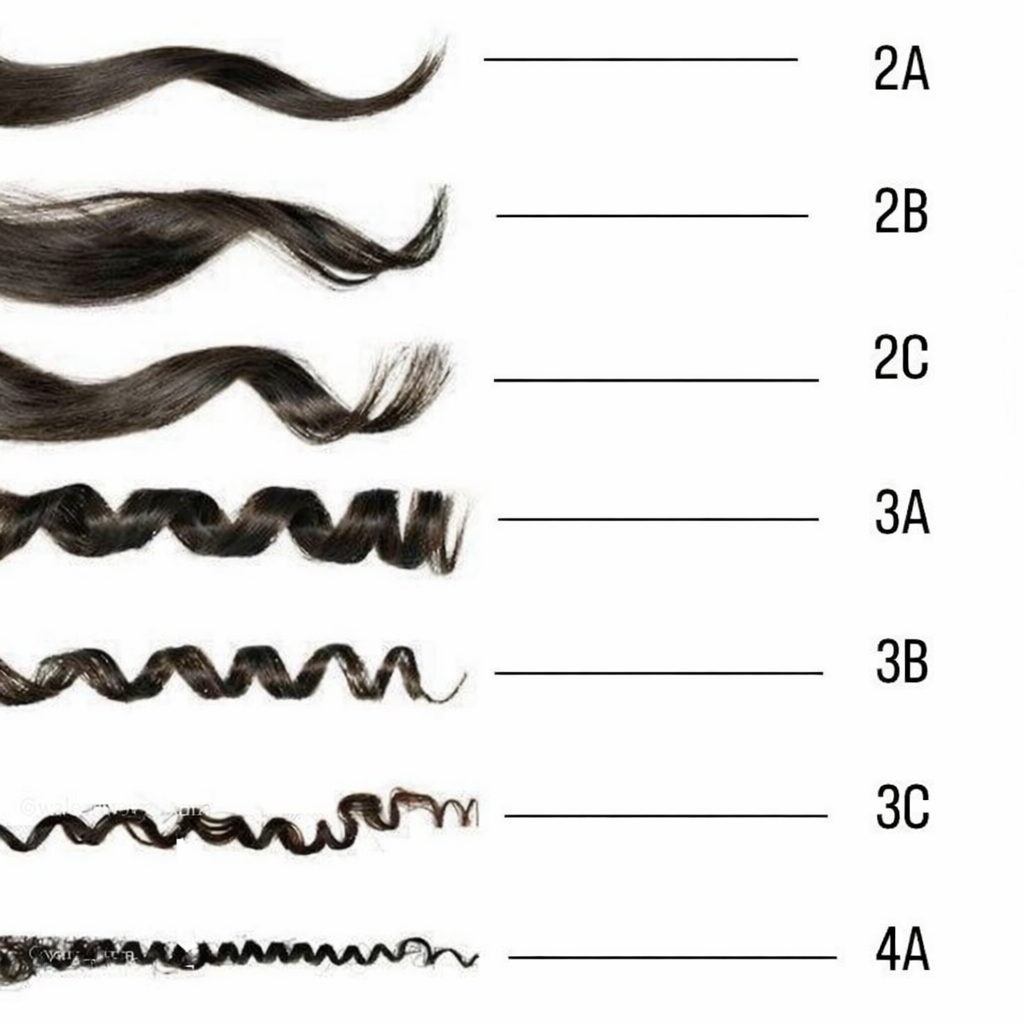
Photo taken from Pinterest
The degree of curliness affects the choice of products and styling techniques. There is no one-size-fits-all approach - it’s important to consider the type of curl.
Wavy hair
- soft S-shaped curls
- often look fluffy without styling
- easily lose their shape
- require lightweight products to avoid weighing them down
Curly hair
- more defined curls
- need plenty of moisture
- may be prone to tangling
- require a balance between hold and softness
Afro
- tight curls
- high porosity
- prone to dryness and breakage
- require intensive nourishment and protection
Дополнительно важно учитывать:
- thick, curly hair requires more intensive care
- care for porous, curly hair should include regular moisturizing
- long, curly hair needs protection for the length and ends
The curlier your hair is, the more attention you need to pay to moisturizing and protecting it. Let’s take a closer look at how to care for your hair.
How to properly care for curly hair
.png "Caring for curly hair")
Photo taken from Pinterest
Proper care for curly hair revolves around one key principle: retaining moisture within the hair shaft.
- Purification
- Moisturizing
- Power supply
- Proper brushing
- Curly hair care method
- Daily Care
Common mistakes in daily curly hair care
Even when using high-quality products, you can ruin the results with bad habits.
The most common mistakes:
- using shampoos with harsh ingredients
- insufficient hydration
- brushing dry hair
- rubbing hair vigorously with a towel
- neglecting styling
Also, many people fail to take individual differences into account. For example:
- caring for curly, voluminous hair requires more moisture
- thick, curly hair needs products with a richer texture
Improper care of curly hair often makes it look unkempt, even though the problem lies in the approach itself.
Care and styling for curly hair without frizz
.png "How to care for curly hair")
Photo taken from Pinterest
Frizz is one of the main problems with curly hair, but it can be managed.
Basic installation guidelines:
- apply a styling product for curly hair to damp hair
- use creams or gels to hold the shape
- do not touch your hair while it is drying
- let it air dry or use a diffuser
To prevent frizzy hair:
- avoid over-drying
- do not brush your hair after styling
- use soft fabrics to dry your hair (such as microfiber or cotton)
It’s especially important to style wavy hair properly after washing - that’s when the final texture takes shape.
Perfect curly hair and natural curls with the right care
Curly hair only reaches its full potential with regular and consistent care. What matters here isn’t a one - time treatment, but a routine: using the right products, handling your hair gently, and understanding its texture.
Over time, a well-structured care routine can lead to noticeable changes:
Over time, a well-structured care routine can lead to noticeable changes:
- curls become more even and defined
- hair is easier to style and holds its shape longer
- you rely less on heat styling tools
- hair gains a natural shine and a polished look
It’s also important to note that caring for curly hair requires a personalized approach. Some people will find that lightweight formulas work best for them, while others may prefer richer products, especially if they have thick or coarse hair.
As a result, the hair looks not just styled, but naturally beautiful - with lively, soft, and neat curls that don’t require constant touch-ups.
As a result, the hair looks not just styled, but naturally beautiful - with lively, soft, and neat curls that don’t require constant touch-ups.