






- What is a photoepilator and how does the technology work
- How a photoepilator works and how it affects hair and skin
- What is the difference between a home-use photoepilator and salon treatments
- What determines the effectiveness of a home-use photoepilator
- Who are home-use photoepilators suitable for, and when do they work best
- The photoepilator: a way to achieve smooth skin
Hair removal is one of the most common requests in personal care. Whereas in the past the choice was limited to razors, waxing or salon treatments, home-use IPL hair removal devices are now attracting increasing attention. This device promises long-lasting results without the need for regular visits to a salon or wasting time.
How can you look after your lips so that your lipstick looks stunning? We explained it in our previous article!But the main question on most people’s minds is whether a photoepilator is actually effective, and whether it’s right for you. In this article, we’ll look at what a photoepilator is and how it works, who it really works for, and in which cases your expectations might not be met. This will help you not only understand how the device works, but also make an informed decision before buying.
What is a photoepilator and how does the technology work
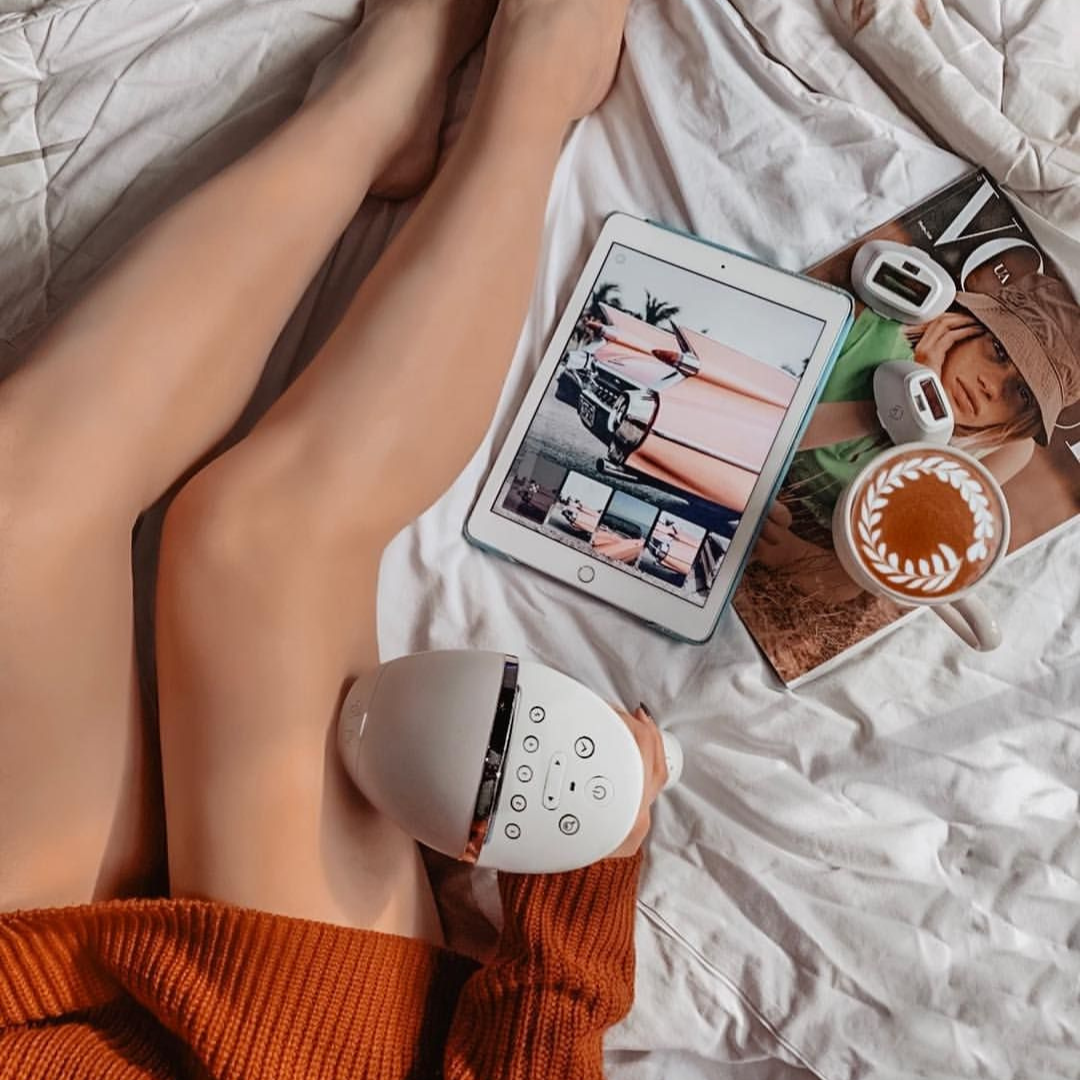
Photo is taken from Pinterest
To understand whether this device is worth considering for your skincare routine, it is important first to understand what a photoepilator is and how it works.
Essentially, it is a home-use photoepilator that utilises IPL (Intense Pulsed Light) technology. The light pulse penetrates the skin and targets the pigment in the hair – melanin. It is precisely this process that leads to a gradual weakening and slowing of hair growth.
It is important to understand that:
Essentially, it is a home-use photoepilator that utilises IPL (Intense Pulsed Light) technology. The light pulse penetrates the skin and targets the pigment in the hair – melanin. It is precisely this process that leads to a gradual weakening and slowing of hair growth.
It is important to understand that:
- The device does not remove hair instantly, like a razor or wax
- It works on the hair root using light
- The results build up with regular use
Therefore, a home-use IPL hair removal device is not a one-off treatment, but a skincare regime designed to deliver gradual results; however, its effectiveness depends entirely on a proper understanding of how it works.
How does a photoepilator work, and how does it affect the hair and skin
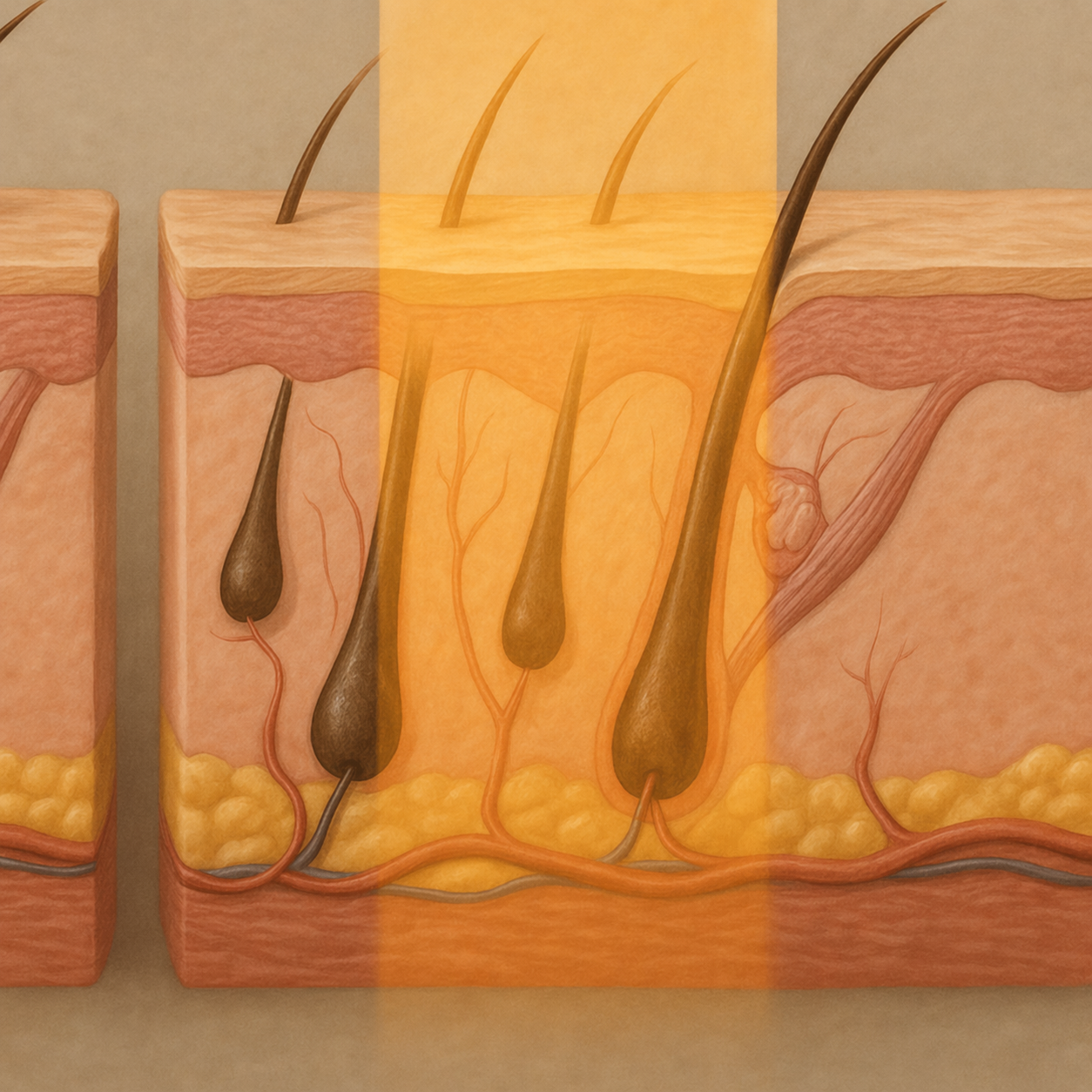
Photo is taken from Pinterest
Now that we’ve covered the basics, it makes sense to take a closer look at how a photoepilator works in practice.
When you use the device, the light pulse:
When you use the device, the light pulse:
- detects the pigment in the hair
- heats it
- transfers heat to the hair follicle
- slows down or stops hair growth
This is precisely why the question often arises: how does a photoepilator work on different hair types? The answer is: not in the same way. The technology works best on dark hair against fair skin.
Worse, or barely working:
- on light, red or grey hair
- on very dark skin (due to the risk of skin overheating)
It is also important to take hair growth cycles into account. The photoepilator only affects the active growth phase, so a series of treatments is required.
How does a home-use photoepilator differ from salon treatments
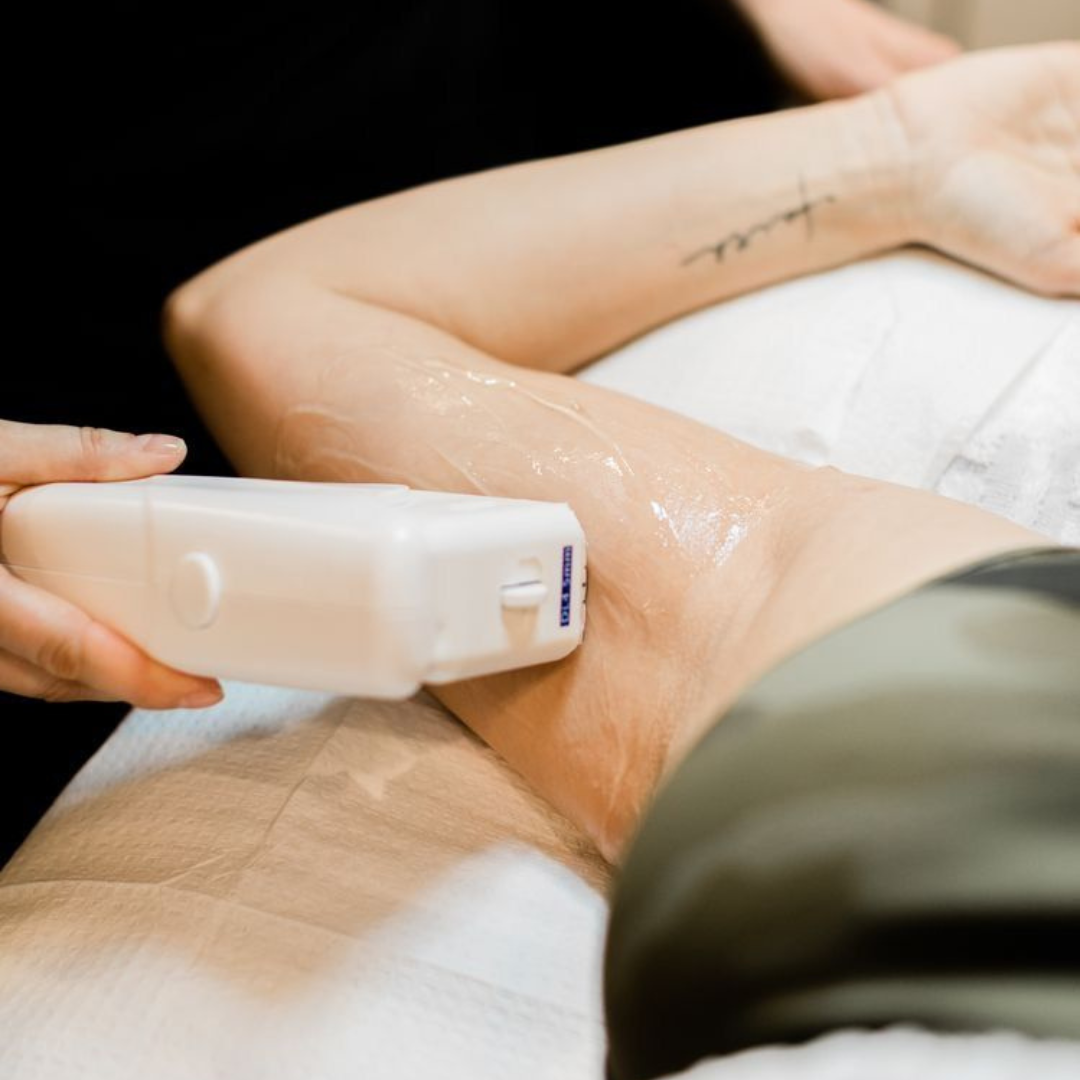
Photo is taken from Pinterest
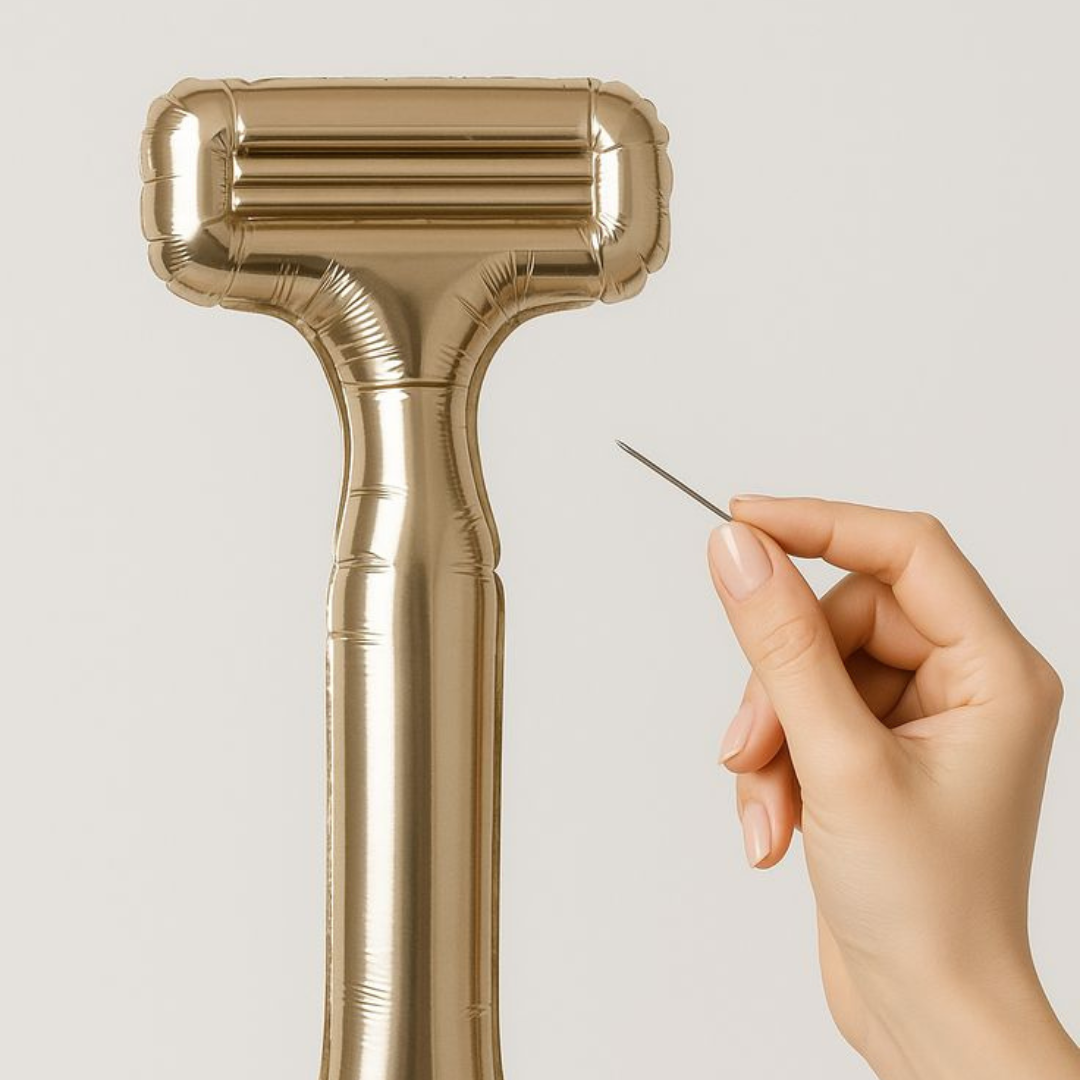
Many people expect a home device to deliver the same results as a salon treatment, but it is important to understand the differences.
A home-use photoepilator differs from professional devices in several ways:
A home-use photoepilator differs from professional devices in several ways:
- Power
- Monitoring and safety
- Result over time
That said, the home format has obvious advantages:
- long-term savings
- the flexibility to schedule the procedure at a time that suits you
- no need to book an appointment with a technician
A home-use photoepilator is a gentler yet convenient alternative to salon treatments, offering a gradual, cumulative effect.
The effectiveness of a home-use photoepilator and what it depends on
When it comes to buying one, the main question is how effective a home-use photoepilator is.
In practice, the effectiveness of a photoepilator depends on several factors at once:
In practice, the effectiveness of a photoepilator depends on several factors at once:
- Skin and hair type
- Frequency of use
- Quality of the device
- Processing areas
- Expectations
A home-use photoepilator can be highly effective, but only if all the conditions are met and expectations are realistic.
Home-use photoepilators and who they are best suited for
Photo is taken from Pinterest
It is important to understand that home-use photoepilators are not suitable for everyone.
The best results are achieved by:
A less pronounced effect:
The best results are achieved by:
- people with fair skin and dark hair
- those who are willing to follow a regular treatment schedule
- users with no contraindications
A less pronounced effect:
- on light-coloured or fine hair
- when used irregularly
- if the wrong device is chosen
And this naturally raises the question: which photoepilator should you choose?
Please note:
People often ask: is an IPL hair removal device safe? When used correctly, yes. The key is to follow the instructions and not to use the device if you have any contraindications.
- flash count
- presence of skin sensors
- power levels
- ergonomic design
If you’re looking for the best home-use IPL hair removal devices, it’s important to consider not only reviews but also your own individual needs.
People often ask: is an IPL hair removal device safe? When used correctly, yes. The key is to follow the instructions and not to use the device if you have any contraindications.
A photoepilator: the solution for smooth skin
A home-use photoepilator isn’t a magic solution, but a practical tool that delivers results when used correctly. It’s suitable for those who are prepared to commit to regular maintenance and understand the specific characteristics of their skin and hair.
If convenience, gradual results and the ability to carry out treatments at home are important to you, this is indeed a sensible choice. However, if you are expecting instant results or a one-size-fits-all solution, it is worth adjusting your expectations or considering alternatives.
It is precisely this approach that allows you to get the most out of photoepilation and avoid disappointment.
If convenience, gradual results and the ability to carry out treatments at home are important to you, this is indeed a sensible choice. However, if you are expecting instant results or a one-size-fits-all solution, it is worth adjusting your expectations or considering alternatives.
It is precisely this approach that allows you to get the most out of photoepilation and avoid disappointment.